01
Hawley Retainer
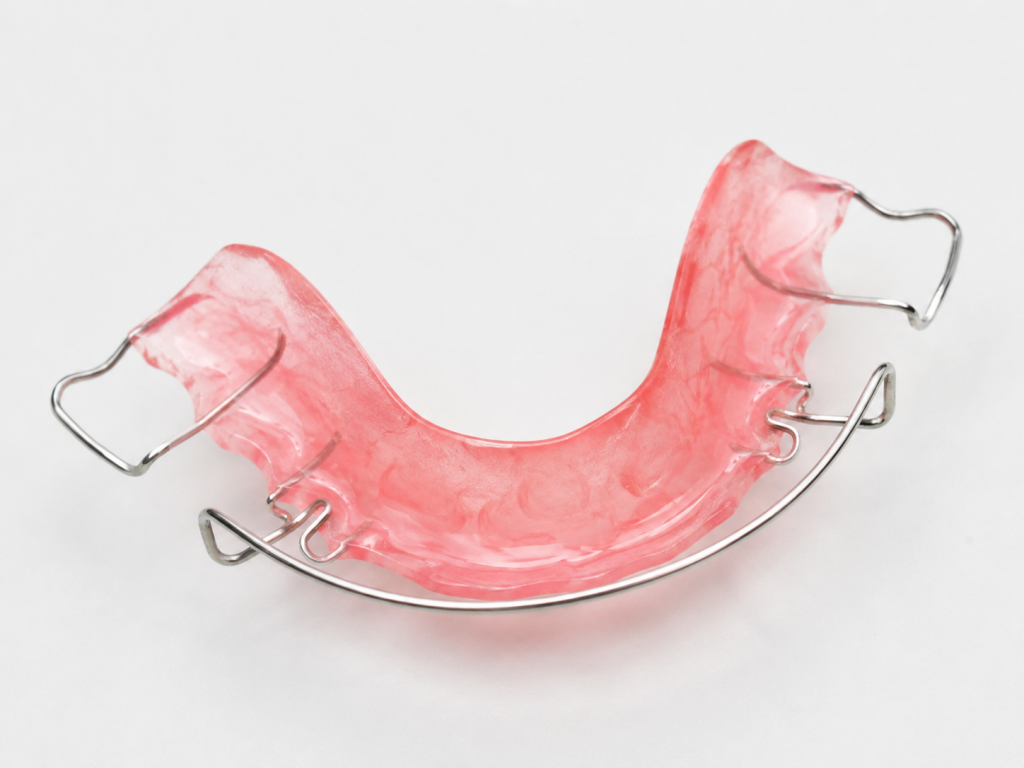
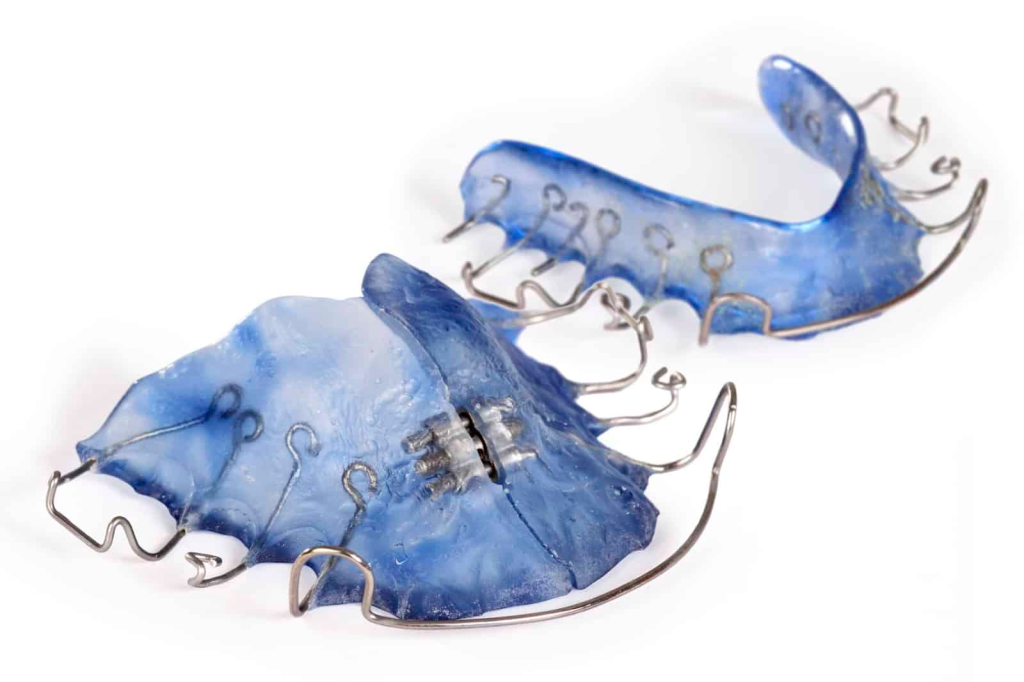
The Hawley Retainer is the most common type of orthodontic appliance. It is made of an acrylic that is molded to fit your mouth with a metal wire that is designed to hold your teeth in its proper position. It is durable and easily removable. We also have multiple color options, so that you can personalize your own retainer.
The Hawley retainer is the most traditional retention device. It is easy to clean and maintain, and it can be more affordable than more modern retainers. Your Hawley retainer will sit on the roof of your mouth, behind your teeth. Though they are generally comfortable, some patients do experience gum and cheek irritation from prolonged periods of wearing this type of retainer.
One of the major benefits of a Hawley retainer is that it promotes significantly less bacterial growth than an Essix retainer. Research has found that the Hawley retainer leads to less plaque and calculus build-up on the teeth and gums. This means it promotes a healthier mouth by reducing contact with the teeth.
02
Essix Retainer
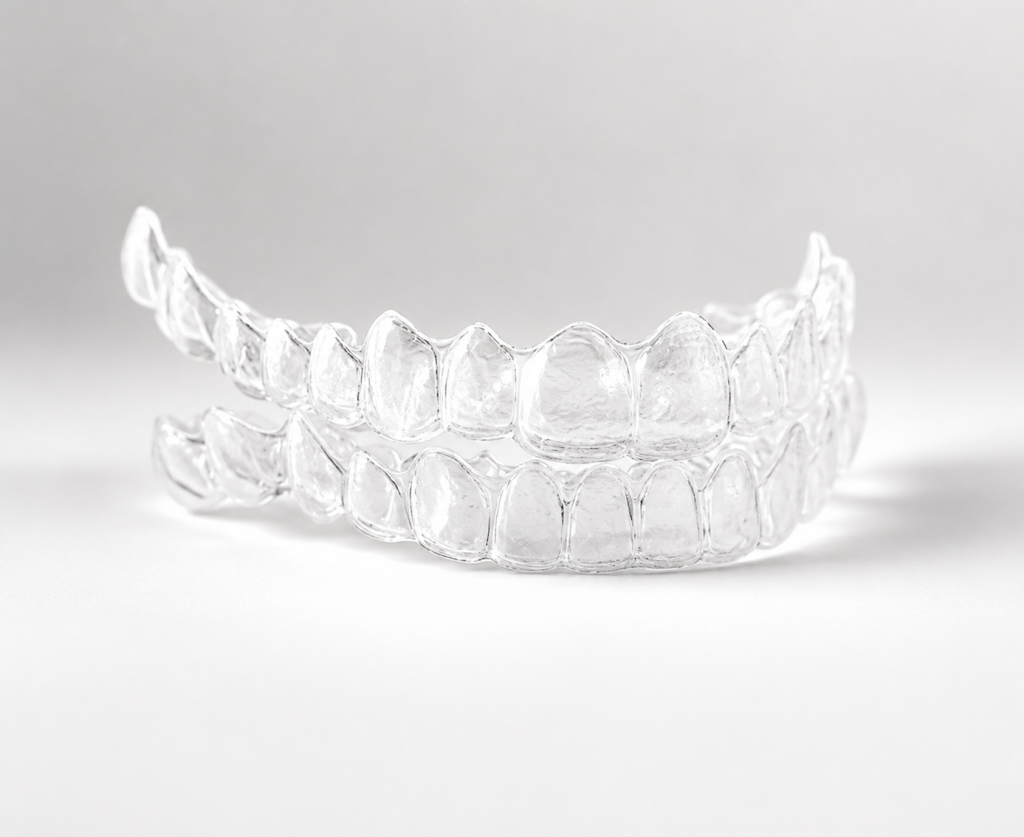
Essix retainers are transparent, so many patients prefer the aesthetic benefit of this type of device. The biggest reason patients prefer Essix retainers over Hawley retainers is the discreet ability to show off their smile without any visible metal.
Research studies have found the Essix retainer can be just as effective as a Hawley retainer, but there are a few things to note:
- 1. Essix retainers need to be thoroughly cleaned to prevent bacteria from accumulating on the teeth and gums.
- 2. They need to be replaced every few years.
- 3. They can trap liquid against the teeth.
- 4. The plastic covers your natural smile.
03
Fixed Retainer
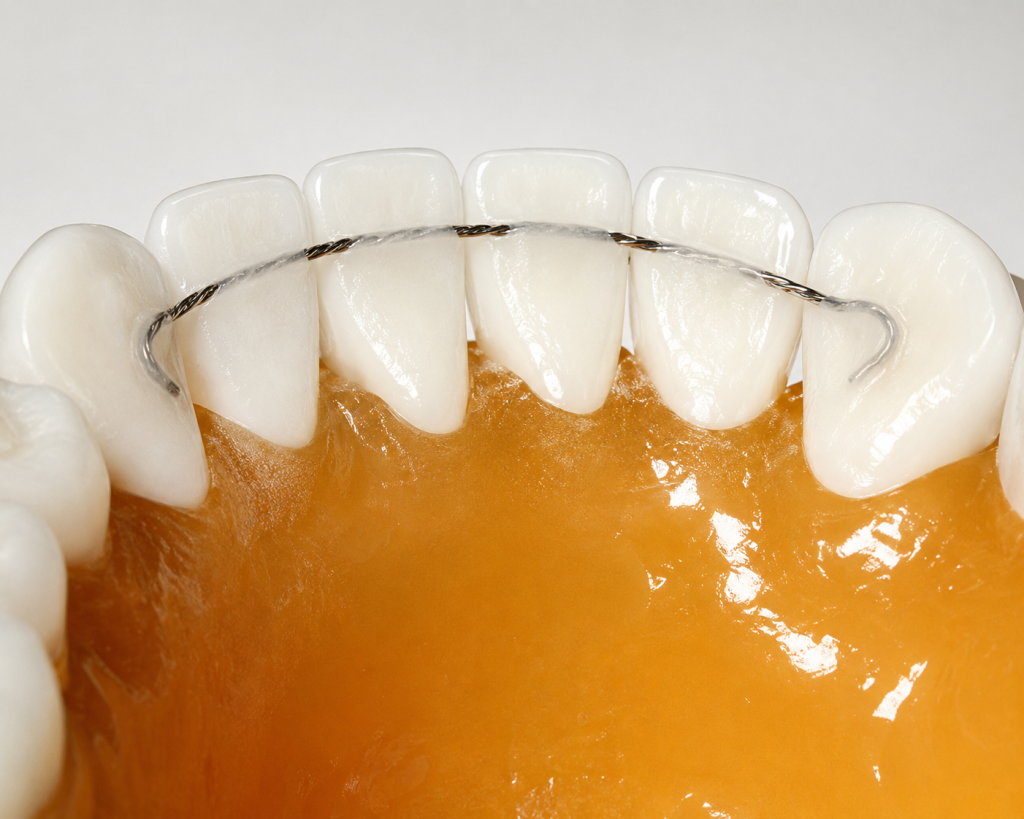
As the name implies, a metal wire is permanently fixed on the back of your teeth. This treatment type is best suited for patients who have a higher risk of their moving back to its former position. This is a more for long-term results for straighter teeth.
Though some patients may dread wearing a permanent retainer, it can be the most effective way to prevent the teeth from shifting back into their original position (orthodontic relapse). The good news is that you won’t feel this type of retainer, and you’ll never have to worry about putting it in every day, taking it out, or cleaning it separately.
Most permanent retainers cover four to six teeth, and they should be placed within four to six months after your braces come off.